
The world of television has changed dramatically over the past few years. More people are moving away from traditional cable and satellite services and choosing IPTV as a modern alternative. Because of this growing popularity, many users want to understand how IPTV works step by step and why it has become one of the most popular streaming technologies in 2026.
IPTV gives users access to live TV channels, movies, sports, and series directly through an internet connection. Unlike traditional broadcasting methods, IPTV offers flexibility, global access, and high-quality streaming on multiple devices.
Understanding how IPTV works step by step can help beginners choose the right setup and enjoy a smoother streaming experience from the start.
What IPTV Means
Before learning how IPTV works step by step, it is important to understand what IPTV actually is. IPTV stands for Internet Protocol Television. Instead of receiving television signals through satellite dishes or cable systems, IPTV delivers content through internet networks.
This means that content is streamed online and can be accessed on devices such as Smart TVs, Android TV boxes, smartphones, tablets, and computers.
The main advantage of IPTV is flexibility. Users can watch content whenever they want instead of following traditional TV schedules.
How IPTV Works Step by Step
To fully understand how IPTV works step by step, it helps to look at the entire process from the beginning.
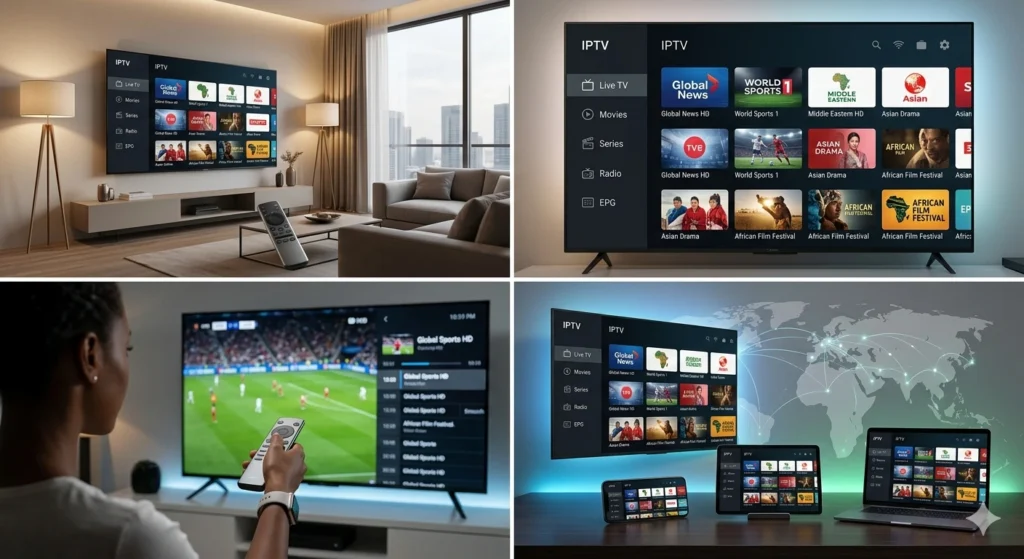
The first step starts with the IPTV provider. The provider collects television channels and streaming content from different sources. These channels are then converted into digital data and stored on powerful servers.
When a user subscribes to an IPTV service, they receive login details or a playlist link. These details connect the user’s device to the IPTV servers.
The next step involves the IPTV player or application. This app acts as the interface where channels and content are displayed. The user installs the IPTV player on their device and enters the subscription information.
Once connected, the IPTV player communicates with the servers and loads all available channels and content categories. Users can then browse channels, switch between them, and start streaming instantly.
This is the core process of how IPTV works step by step.
IPTV Streaming Through the Internet
One of the biggest differences between IPTV and traditional television is how the content is delivered.
Traditional TV broadcasts all channels at the same time through cable or satellite signals. IPTV works differently. It sends only the content the user selects.
For example, when a user clicks on a sports channel, the IPTV server sends that specific stream directly to the device through the internet. This process happens almost instantly.
Because IPTV relies on internet technology, streaming quality depends heavily on server performance and internet speed.
This is why choosing a reliable IPTV service is essential for smooth streaming.
How IPTV Works on Android Devices
Android devices are among the most popular platforms for IPTV streaming. Understanding how IPTV works step by step on Android is important for beginners because Android offers one of the easiest IPTV experiences.
The process begins by downloading an IPTV player application. Once installed, the user enters the subscription details provided by the IPTV service.
The application then connects to IPTV servers and loads all channels automatically. Content is organized into categories such as live TV, movies, and series, making navigation simple and user-friendly.
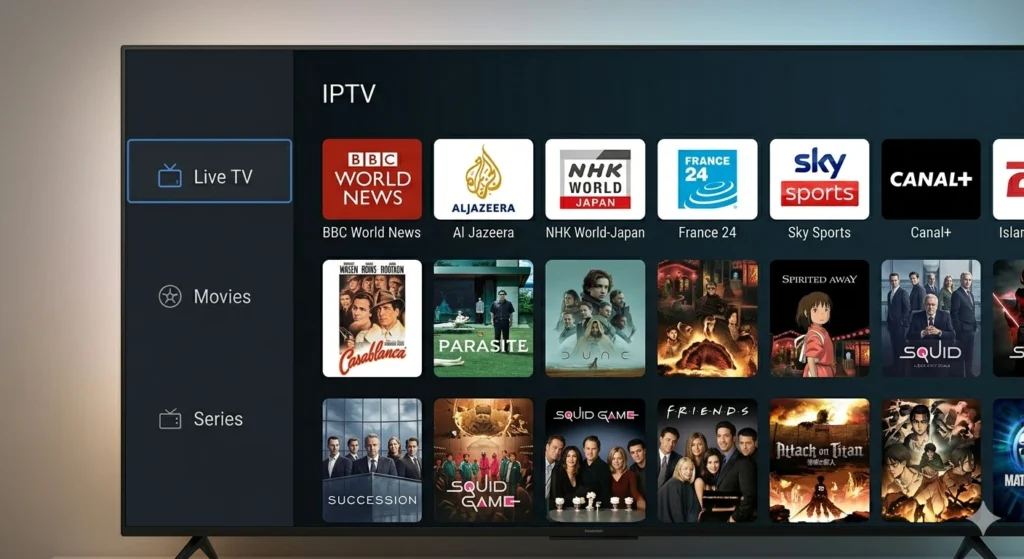
Android TV boxes are especially popular because they provide strong performance and support HD and 4K streaming. They can transform almost any television into a modern smart streaming system.
For users learning how IPTV works step by step, Android devices provide one of the easiest ways to get started.
IPTV on Smart TVs and Other Devices
IPTV is not limited to Android only. Smart TVs, smartphones, tablets, and computers also support IPTV streaming.
Smart TVs allow users to install IPTV applications directly on the television. This creates a clean setup without needing additional hardware.
Smartphones and tablets provide portability, allowing users to watch IPTV anywhere with an internet connection.
Computers support IPTV through dedicated applications or browser-based platforms.
The ability to stream on multiple devices is one of the reasons IPTV has become so popular worldwide.
Live TV and Video on Demand
Another important part of understanding how IPTV works step by step is knowing the difference between live TV and video on demand.
Live TV streams channels in real time, similar to traditional television. Users can watch sports events, news, and live broadcasts instantly.
Video on demand allows users to select movies or series whenever they want. Instead of following schedules, they can stream content at any time.
Many premium IPTV services combine both options, giving users a complete entertainment system.
Why Internet Speed Matters
Internet speed plays a major role in IPTV performance.
A slow or unstable connection can cause buffering and interruptions. High-definition and 4K streaming require faster internet speeds to maintain smooth playback.
Using a wired Ethernet connection often provides better stability than Wi-Fi. This helps reduce delays and improves streaming quality.
When learning how IPTV works step by step, users should understand that a good internet connection is essential for the best experience.
Free vs Premium IPTV Services
Many beginners start with free IPTV services, but these often come with limitations.
Free services usually have weak servers, unstable streams, and poor video quality. Channels may stop working without warning, especially during busy hours.
Premium IPTV services provide a much better experience. They offer stable servers, HD and 4K quality, and access to thousands of international channels.
For anyone serious about IPTV, a premium service is the best choice.
IPTV Without Buffering
One of the most common concerns for new users is buffering.
To enjoy IPTV without buffering, users need a combination of a reliable provider, a stable internet connection, and a good device.
Modern IPTV services invest in powerful servers designed to handle large numbers of users simultaneously. This reduces delays and improves stability during live events.
With the right setup, IPTV can deliver smooth streaming across all devices.
The Future of IPTV
The IPTV industry continues to grow rapidly as more people move toward online streaming solutions.
Faster internet speeds and improved technology are making IPTV more reliable and accessible than ever before.
Future IPTV services will likely include smarter interfaces, personalized recommendations, and even better streaming quality.
As more users learn how IPTV works step by step, IPTV will continue replacing traditional television worldwide.
Conclusion
Understanding how IPTV works step by step makes it easier for beginners to start using IPTV confidently.
IPTV delivers television content through the internet, allowing users to stream live channels, movies, and series on multiple devices. With the right IPTV service, internet connection, and setup, users can enjoy smooth HD and 4K streaming without limitations.
As IPTV technology continues to improve, it is becoming the future of entertainment worldwide. Now is the perfect time to start exploring everything IPTV has to offer.