
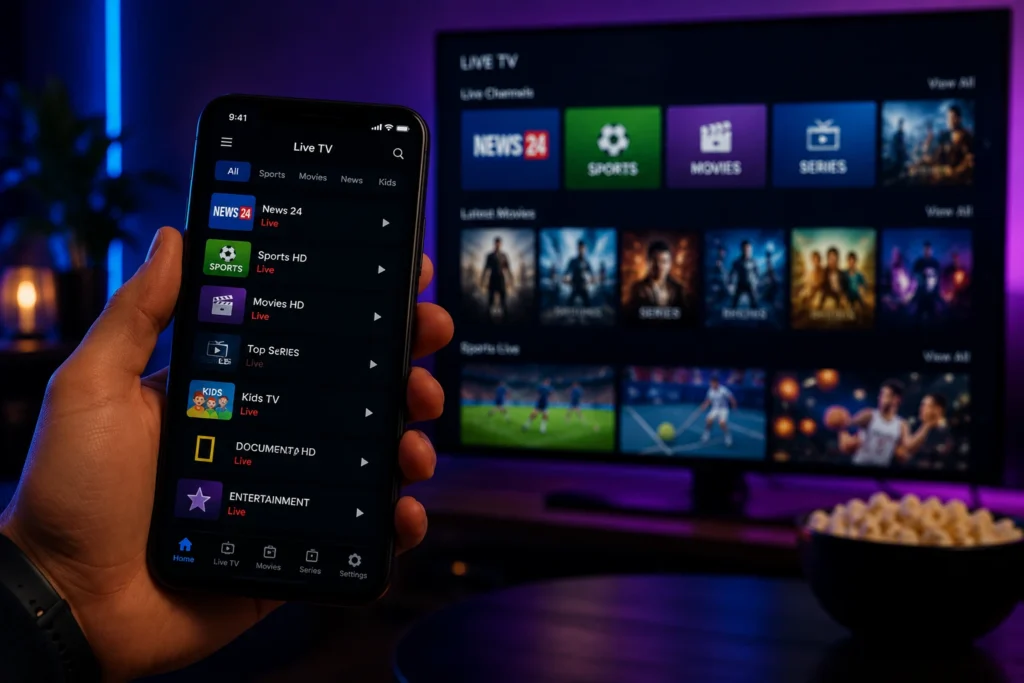
Television has changed significantly over the last few years. Instead of depending only on traditional cable or satellite services, viewers can now watch television content through an internet connection. This shift has made IPTV subscriptions increasingly popular among people who want more flexibility, broader device compatibility, and a convenient way to watch live content.
An IPTV subscription allows television content to be delivered through an internet connection rather than through traditional broadcasting methods. Depending on the provider and the package, an IPTV service may offer access to live television channels, sports, entertainment, news, movies, and other available content.
However, choosing the right service is not always easy. There are many providers, subscription plans, applications, and device options available online. Understanding how IPTV works and what to look for can help you make a more informed decision.
What Is an IPTV Subscription?
An IPTV subscription is a service that delivers television programming over an internet connection. IPTV stands for Internet Protocol Television, which means that television content is transmitted using internet-based technology.
Unlike traditional television, IPTV does not necessarily require a cable connection or satellite dish. Instead, compatible devices can receive content through an internet connection and an appropriate IPTV application or player.
The exact content available depends on the provider and the rights it holds for distributing that content. Some services focus on live television, while others may offer additional entertainment options.
This flexibility is one of the main reasons people search for terms such as IPTV subscription online, IPTV subscription service, and premium IPTV subscription.
How Does an IPTV Subscription Work?
The basic concept behind IPTV is relatively simple.
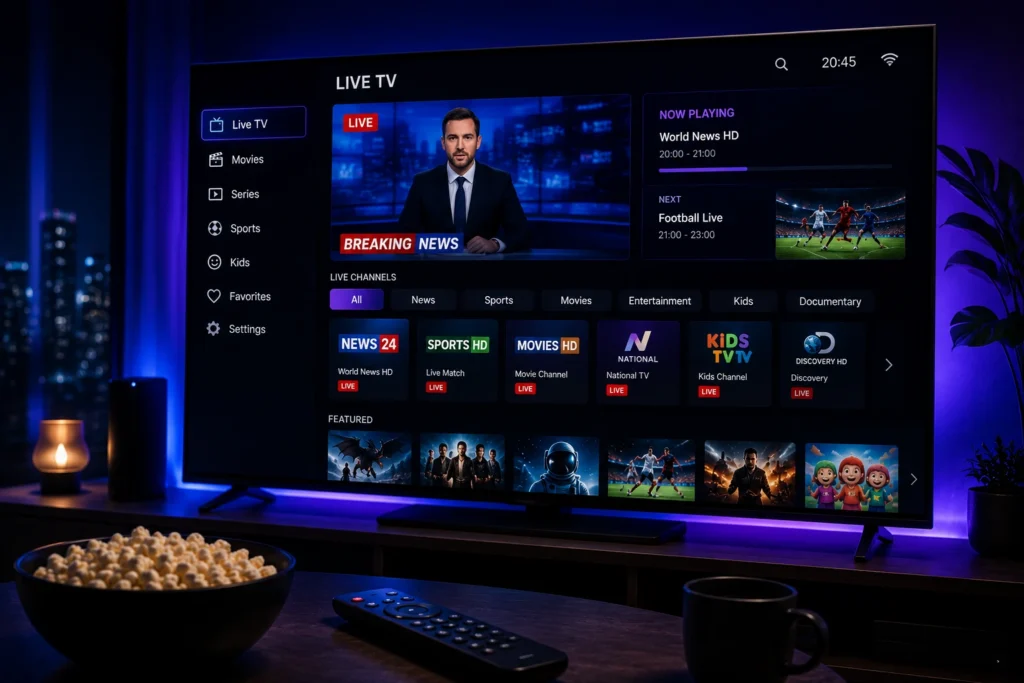
A provider receives and prepares television content for internet delivery. The content is then transmitted through a network and accessed by users through compatible devices and applications.
A typical setup involves:
- An active internet connection.
- An IPTV subscription from a provider.
- A compatible device.
- An IPTV application or player.
- The required service information supplied by the provider.
Once the service is configured correctly, users can browse the available content and watch supported channels or programs.
The quality of the experience depends on several factors, including internet stability, device performance, application compatibility, network congestion, and the provider’s infrastructure.
Why Are IPTV Subscriptions Becoming Popular?
There are several reasons viewers are moving toward internet-based television.
Flexibility
An IPTV service can give viewers more flexibility than traditional television packages. Depending on the provider and supported devices, users may be able to watch content at home or while travelling.
Device Compatibility
Modern IPTV services can work with a variety of connected devices.
Depending on the provider and application, supported devices may include:
- Smart TVs
- Android TV
- Android smartphones
- iPhone
- iPad
- Apple TV
- Chromecast
- Fire TV devices
- Computers
- Laptops
This makes IPTV particularly attractive to households using multiple screens.
Internet-Based Access
Because IPTV uses an internet connection, viewers do not necessarily need traditional cable or satellite infrastructure.
This can be convenient for people who already have a reliable broadband connection and prefer internet-based
How to Set Up an IPTV Subscription
Once you have selected a suitable IPTV subscription, the next step is setting it up correctly.
The exact process can vary depending on the provider, device, and IPTV player, but the general process is straightforward.
Step 1: Choose Your Device
Decide where you want to watch your IPTV service.
You might use a Smart TV for your main television, an Android phone when travelling, or an iPhone or iPad for mobile viewing.
Step 2: Install a Compatible IPTV Player
An IPTV subscription usually works through a compatible IPTV player rather than directly through the subscription itself.
Choose a reputable application that supports your device and obtain it from an official or trusted source.
Step 3: Add Your Service Information
After subscribing, your provider should give you the information required to configure the service.
Follow the provider’s instructions carefully and make sure there are no typing errors when entering your information.
Step 4: Test the Service
After configuration, open the available categories and test several streams.
Checking the service before an important live event can help you identify potential setup or connection issues early.
How to Improve IPTV Streaming Quality
A good IPTV subscription is only one part of a smooth streaming experience.
Your home network and device configuration also matter.
Use a Stable Internet Connection
A stable connection is generally more important than simply having a high advertised download speed.
If possible, use Ethernet for devices that remain close to your router.
For Wi-Fi devices, make sure the signal is strong and avoid placing the router behind large objects or inside enclosed furniture.
Reduce Network Congestion
Other devices connected to your network can consume bandwidth.
Downloads, cloud backups, gaming, video calls, and other streaming sessions can all affect performance.
If IPTV playback becomes unstable, check what else is using your connection.
Restart Your Router
A simple router restart can sometimes resolve temporary network problems.
If connection issues happen regularly, however, the problem may require further investigation with your internet provider.
What to Do When IPTV Keeps Buffering
Buffering is one of the most common complaints among IPTV users.
If your IPTV subscription keeps buffering, work through these checks:
Check your internet connection.
Run a speed test and check whether the connection is stable.
Restart the IPTV application.
Close the player completely and open it again.
Restart the device.
Temporary device problems can sometimes affect playback.
Try another network.
If possible, test the service using another reliable connection. This can help determine whether the problem is related to your home network.
Try another stream.
If one channel buffers while other channels play normally, the problem may be specific to that stream.
Check for service-side problems.
Sometimes interruptions can occur on the provider’s side, and local troubleshooting will not resolve them.
How to Choose an IPTV Subscription Plan
There is no universal plan that works for every viewer.
A monthly IPTV subscription can provide flexibility for someone who wants to evaluate a service without committing for a long period.
A 3-month or 6-month plan may be more suitable for viewers who already understand their viewing requirements.
A 12-month IPTV subscription can be convenient for people who already know they want to use the service for an extended period.
Before selecting a longer plan, carefully review the provider’s terms and make sure the service meets your requirements.
One Device or Multiple Devices?
Another important consideration is device usage.
Some IPTV subscriptions may be designed for one active connection, while others may offer different options.
If you have several devices at home, do not assume that one subscription automatically allows simultaneous viewing on all of them.
Check the provider’s terms regarding:
- Number of supported devices
- Simultaneous connections
- Account sharing
- Compatible applications
- Connection limits
Understanding these conditions before subscribing can prevent unnecessary problems later.
IPTV Applications and Players
The IPTV subscription and the IPTV player are not always the same thing.
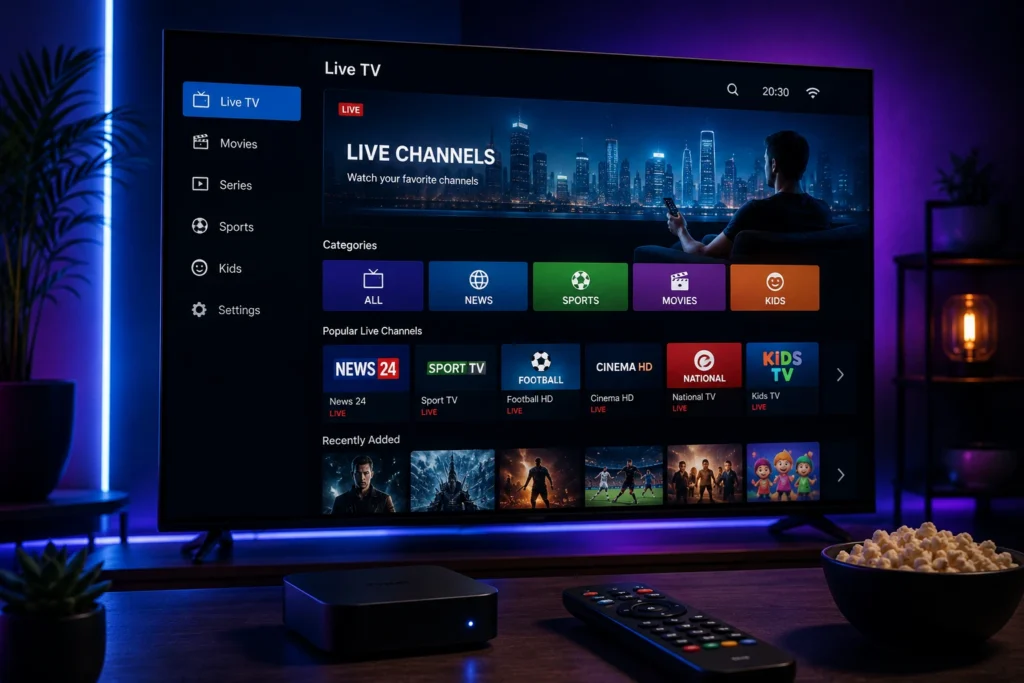
The subscription provides access to the service, while the player is the application used to display the available content.
Different players may offer different interfaces and features.
When choosing a player, consider:
- Device compatibility
- Ease of navigation
- Playlist support
- Electronic Program Guide support
- Playback controls
- Update frequency
- Developer reputation
Only install applications from trusted sources.
IPTV for Smart TVs
Smart TVs can provide one of the most convenient IPTV experiences because you can watch content directly on your television.
Before purchasing an IPTV subscription, check the operating system of your TV and determine which legitimate IPTV players are available for it.
If an application is not supported by your television, an external streaming device may provide another solution.
IPTV for Android TV
Android TV devices offer considerable flexibility for IPTV users.
After installing a compatible player, users can configure their IPTV subscription according to the provider’s instructions.
Android TV can be particularly convenient for viewers who want a dedicated streaming environment rather than using a smartphone or computer.
IPTV for Mobile Devices
Smartphones and tablets are useful when you are away from home.
Android devices, iPhone, and iPad can potentially support IPTV players, depending on the application and service.
Mobile users should pay attention to data usage, especially when watching high-resolution video over a cellular connection.
Using Wi-Fi can help avoid unexpectedly high mobile data consumption.
IPTV on Apple TV and Chromecast
Streaming devices can make IPTV more flexible for televisions that do not have the required application built in.
Apple TV and Chromecast may support different applications and casting methods depending on the platform and software version.
Always check current compatibility before purchasing a subscription specifically for one device.
How My Stream Nova Can Help
If you are comparing IPTV subscription options and want a straightforward service for compatible devices, My Stream Nova is another option you can research.
The service is designed around internet-based television and supports setup on compatible devices through appropriate IPTV players.
Before subscribing, users should identify their device, check compatibility, review the available plan, and make sure the service is suitable for their location and viewing requirements.
My Stream Nova can also assist customers who need help understanding the setup process or choosing a compatible configuration.
Getting Started With My Stream Nova
The basic process is simple:
- Choose the subscription plan that fits your needs.
- Confirm your compatible device.
- Use an appropriate IPTV player.
- Follow the setup information provided by the service.
- Test your connection and playback.
- Contact support if you need assistance.
If you are unsure which setup is appropriate for your device, contacting the service before making a purchase can help you avoid compatibility issues.
Frequently Asked Questions About IPTV Subscription
What is the best IPTV subscription?
There is no single best IPTV subscription for everyone. A suitable service should offer reliable performance, compatible devices, appropriate content, clear terms, and responsive customer support.
How much does an IPTV subscription cost?
Prices vary significantly between providers and subscription durations. Monthly plans are generally more flexible, while longer plans can offer different pricing structures.
Always compare what is actually included rather than choosing based only on the advertised price.
Can I use an IPTV subscription on a Smart TV?
Yes, many IPTV services can be used on compatible Smart TVs through supported IPTV players. Compatibility depends on the television operating system and the application.
Can I use IPTV on Android?
Yes. IPTV can be accessed on compatible Android sm
Ready to Explore My Stream Nova?
Looking for a reliable IPTV subscription for your compatible device? My Stream Nova can help you choose the right plan and guide you through the setup process.
Have questions about pricing, device compatibility, or setup? Contact My Stream Nova directly on WhatsApp.
👉 Message My Stream Nova on WhatsApp:
Chat with My Stream Nova on WhatsApp